
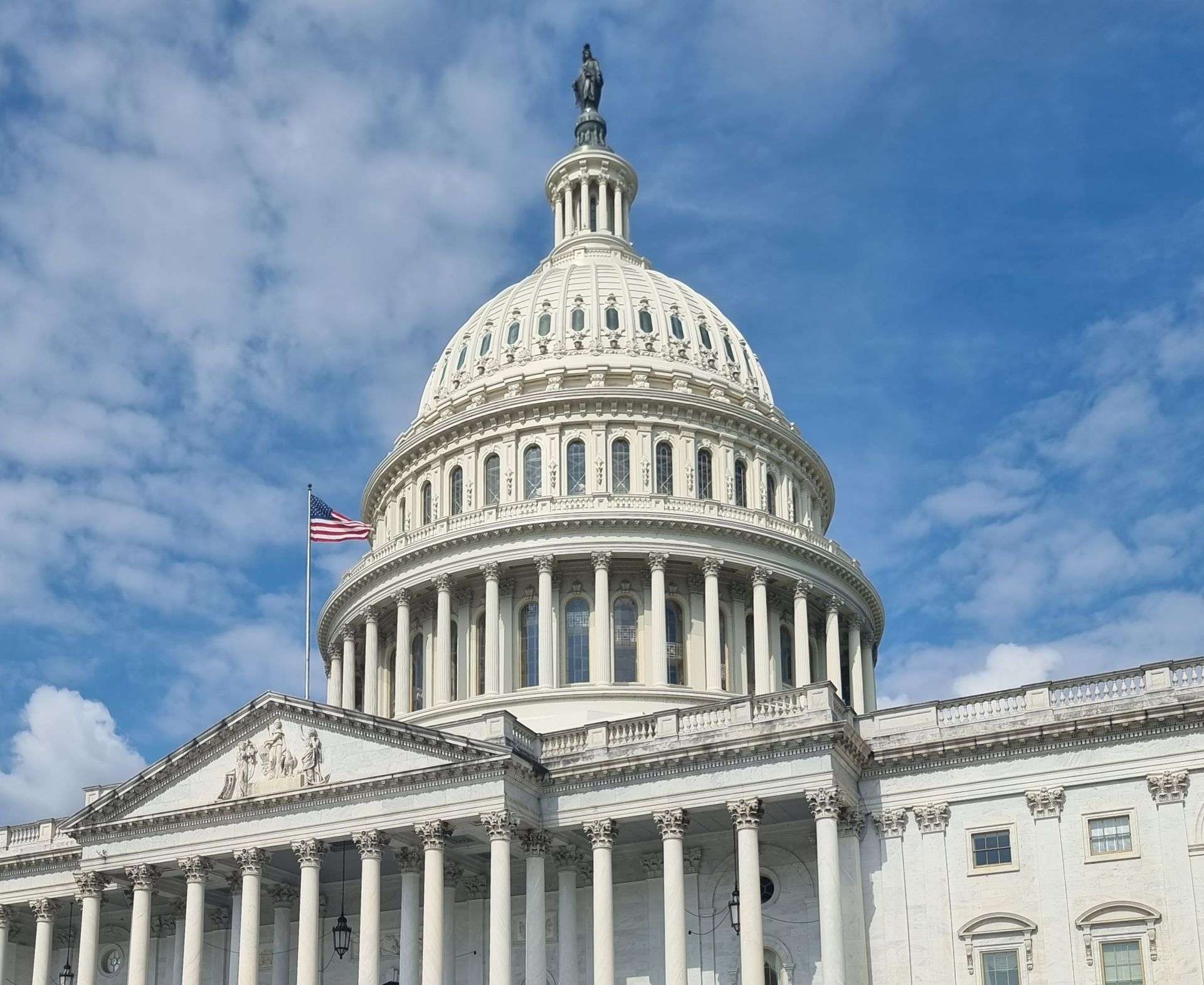
IRS Reform Bill Clears Senate Without Objection, Waits For House
On September 30, the Senate approved the Taxpayer Assistance and Service (TAS) Act, a package of 65 tax administration reforms designed to improve IRS service, strengthen taxpayer rights, modernize the agency, and change how taxpayers resolve disputes with the IRS.
The legislation has broad bipartisan support. There’s just one problem: The House has already left Washington until after the election.
What The Senate Passed
I took a deep dive into the TAS Act last month. But if you go looking for the legislation, you may notice something confusing. The TAS Act was originally introduced in the Senate as S. 5441. However, the bill that ultimately carried the TAS Act through the Senate on September 30 was H.R. 5349.
That’s not a typo. H.R. 5349, the Tax Court Improvement Act, is a much narrower tax-administration bill that had already passed the House. When the Senate took up H.R. 5349, it replaced the text after the enacting clause with the much broader TAS Act, gave it a new title, and passed it.
In other words, the Senate used an existing House-passed bill as the legislative vehicle for the TAS Act. That means the legislation does not have to start from scratch in the House. But because the Senate substantially changed the bill, both chambers still have to agree to the same text before it can go to the President.
The problem? The House has not done that.
The Senate Vote Wasn’t Close
Finance Committee Chairman Mike Crapo, a Republican from Idaho, and Ranking Member Ron Wyden, a Democrat from Oregon, developed the package together. Senators on both sides of the aisle contributed provisions, and the legislation has the support of National Taxpayer Advocate Erin Collins and several tax professional organizations.
The Finance Committee approved the legislation 26-1. The full Senate then approved it by unanimous consent. But by then, the House was gone. House members cast their last votes on September 16. The Finance Committee formally reported S. 5441 the following day, and the Senate ultimately approved the TAS Act on September 30.
The House isn’t scheduled to return for regular voting until November 9. So despite overwhelming bipartisan support in committee and approval without objection in the Senate, the legislation now has to sit until House members return to Washington.
Is The House Really In Recess?
Technically, the House is still holding sessions, but don’t expect much legislating.
On October 1, for example, the House convened at 11:30 a.m. and adjourned at 11:33:10 a.m., just three minutes and 10 seconds later. There were no votes. The House Clerk, however, counts the day as a “Day in Session.” These brief meetings are known as pro forma sessions. They allow the House to formally convene without members returning to Washington for regular legislative business. That means the House can be technically “in session” even though most of its members are elsewhere.
At the end of August, the Congressional Record showed the House had passed 380 measures this year. By comparison, it had passed 345 through July 2025 and 400 through September 2025. In other words, this isn’t a question of whether the House has been passing legislation. It has. The issue for the TAS Act is timing.
Why The Timing Matters
When I wrote about the TAS Act on September 19, the Finance Committee had approved it, and the legislation had been placed on the Senate calendar. But because the House had already finished its September voting schedule, the full House had no scheduled opportunity to act once the Senate approved its amendment on September 30.
When lawmakers return after the November 3 midterm elections, the House could agree to the Senate amendment to H.R. 5349. If the House approves the Senate’s text without further changes, the legislation could then go to the President. If the House changes it, the chambers would have to resolve those differences.
And if Congress doesn’t finish the job before the 119th Congress ends, the legislation dies. The process would have to begin again in the next Congress.
The situation is particularly curious because the two chambers don’t appear to disagree about many of the underlying policies. On September 15, the House passed several taxpayer-rights bills, including bills addressing issues that also appear in the broader TAS package. Three passed by voice vote, while a fourth passed 408-17.
In other words, by the time lawmakers left Washington, the House and Senate tax-writing committees had spent months advancing overlapping taxpayer-rights legislation with overwhelming bipartisan support. What Congress had not done was consolidate that agreement into legislation both chambers could approve before the House left town.
Why The TAS Act Matters
The legislation would improve IRS online accounts and callback technology, expand electronic processing, and give taxpayers more information about delayed refunds and IRS backlogs. It would also provide additional protections for taxpayers victimized by fraudulent return preparers and impose standards on certain paid preparers, expand access to IRS Appeals, and strengthen the Taxpayer Advocate Service.
Overall, it would address some decidedly unglamorous but important problems that taxpayers and tax professionals run into when dealing with the IRS. That’s probably one reason the legislation has attracted such broad support.
Republicans and Democrats may disagree—sometimes dramatically—about what the tax law should say. There appears to be considerably more agreement that taxpayers should be able to reach the IRS, know what’s happening with their refunds, challenge government decisions, and have their rights protected when something goes wrong.
The Senate agreed on that without a single objection. Now the legislation waits for the House.
Members are scheduled to return November 9, leaving a relatively short post-election window to act before the current Congress ends. Whether House leaders will make the TAS Act a priority during that window remains to be seen. (I’m not convinced.)