Can You Make Whiskey At Home? The Supreme Court Will Decide
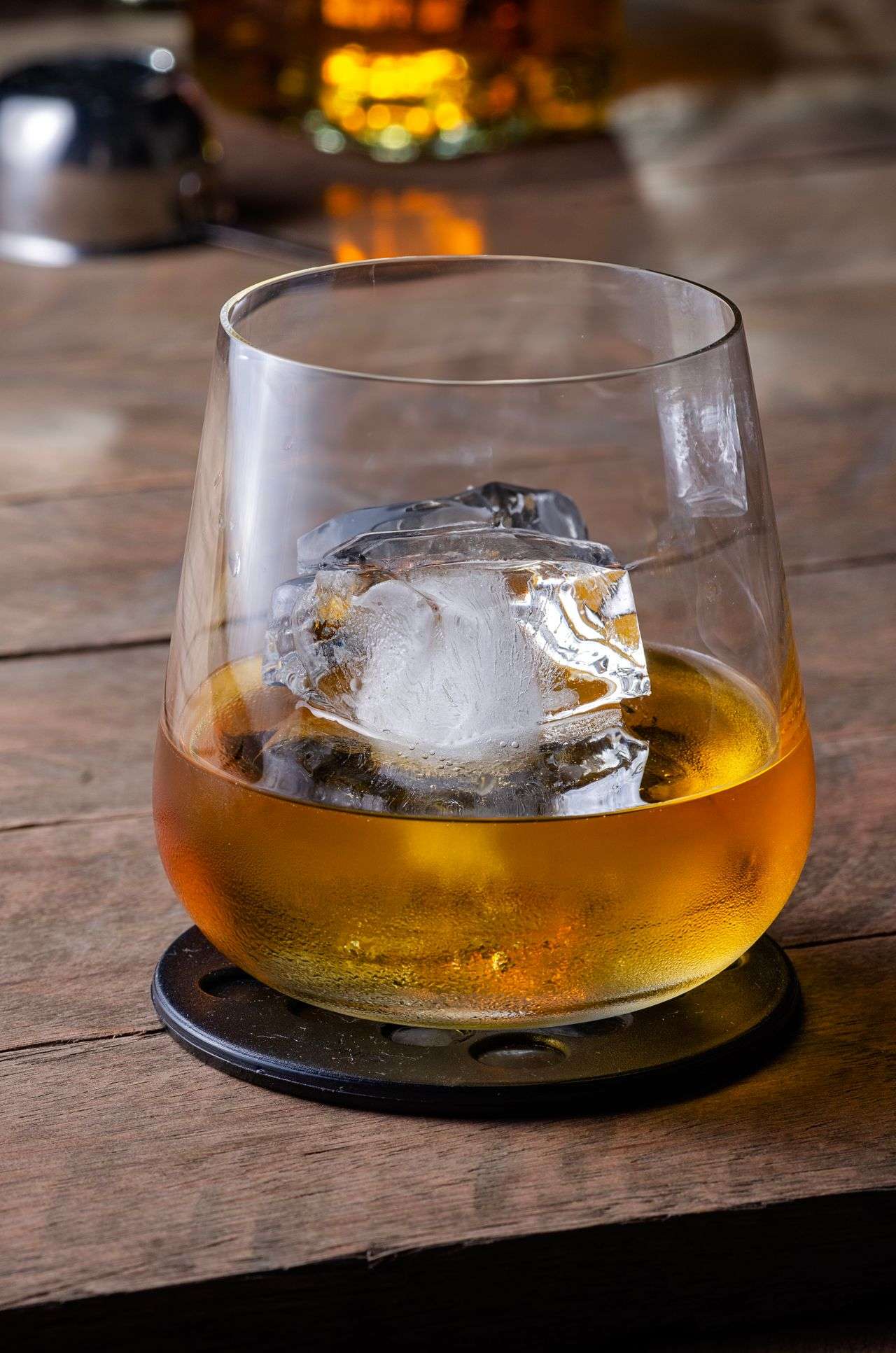
You can brew beer at home. You can make wine at home. But try making whiskey in your basement, and you could face federal criminal penalties.
The unlikely reason? Taxes.
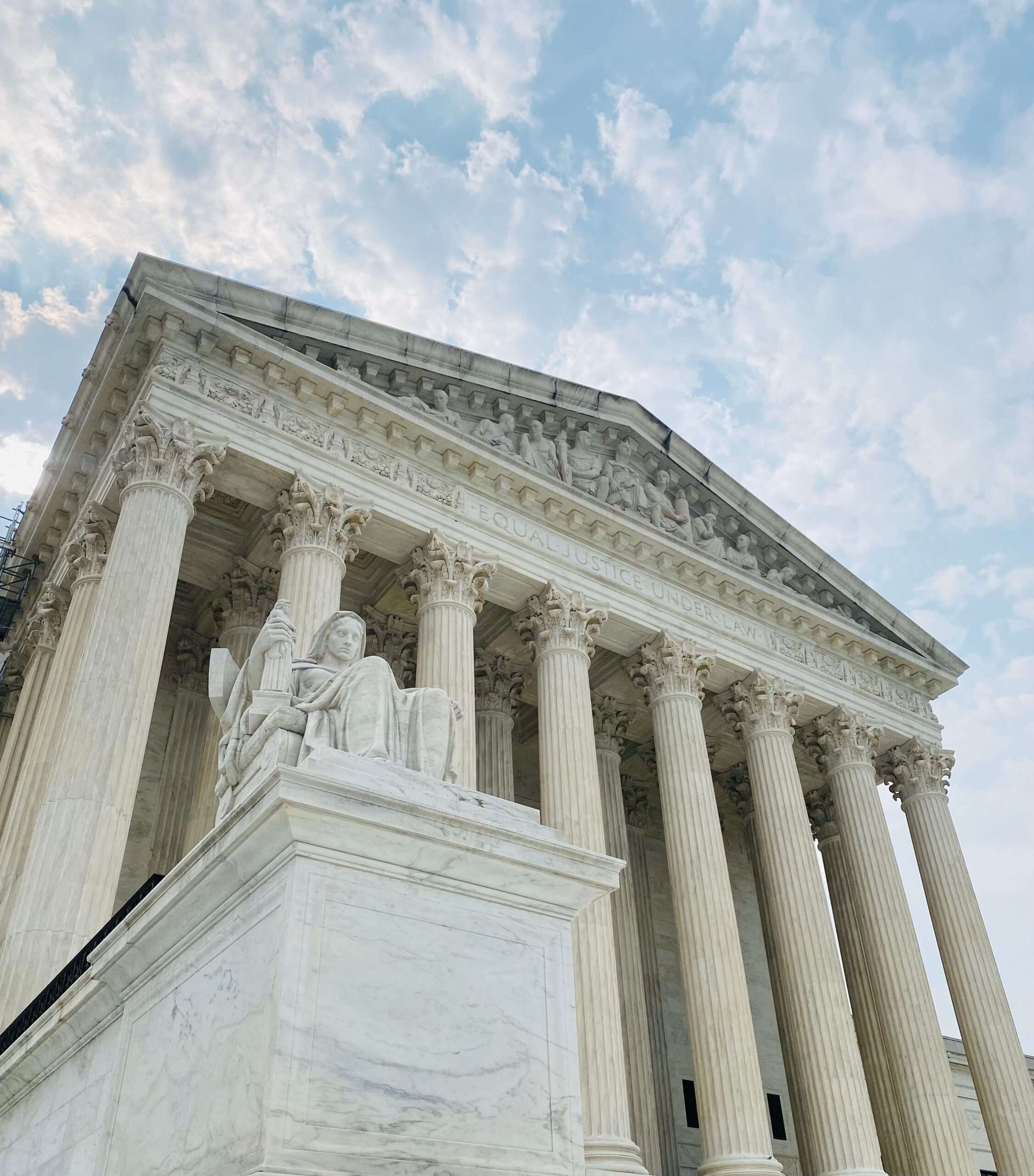
Nearly 160 years after Congress enacted restrictions on home distilling, the U.S. Supreme Court has agreed to decide whether those restrictions exceed Congress’s constitutional authority.
If this sounds familiar, it should. We’ve been following this question for months.
A Whiskey Case Goes To Washington
On October 19, 2026, the Supreme Court agreed to hear Department of Justice v. McNutt, a challenge to the federal prohibition on producing distilled spirits in homes and certain connected structures.
The Hobby Distillers Association and several of its members brought the case. One of them, New Jersey resident Scott McNutt, was already familiar with distilling. He held a federal permit to produce alcohol for fuel in a shed 261 feet from his house, but he wanted to experiment with making spirits for drinking—and possibly develop a business someday.
He was also familiar with federal regulators. In 2014, the Alcohol and Tobacco Tax and Trade Bureau sent him a notice warning that producing distilled spirits at home for personal use was illegal and could result in criminal penalties.
Federal law generally requires distilled spirits to be produced at registered distilled spirits plants. Under Section 5178 of the tax code, those plants cannot be located inside a dwelling house or in certain structures connected to one. And yes, you read that correctly—the law governing whether you can make spirits at home is found in the tax code.
The restrictions date back to 1868, when Congress was trying to address widespread tax evasion involving distilled spirits. The federal government had a revenue problem: Distillers were producing and selling whiskey without paying the taxes they owed. Congress responded with a system of registration, inspections, recordkeeping, and restrictions on where spirits could be produced.
That’s what is at issue today. The Supreme Court will consider this question: Does Congress’s power to collect taxes also give it the power to prohibit an activity because that activity might make tax collection more difficult?
Remember John Ream?
In our original installment of You Be the Tax Judge, I introduced John Ream and asked whether Congress could prohibit home distilling as a way to protect federal excise tax revenue. Ream, a retired aerospace engineer and former Ohio brewery owner, wanted to experiment with distilling small batches of rye and bourbon at home.
Ream wasn’t trying to sell illegal whiskey. He wanted to make spirits for his own consumption and was willing to comply with the government’s tax requirements, but he couldn’t legally do so at home. Rather than risk committing a federal crime, Ream challenged the prohibition in court.
I revealed the answer in September. Ream won on standing—the Sixth Circuit agreed that he shouldn’t have to commit a felony before challenging the law—but lost on the constitutional question. The Sixth Circuit concluded that prohibiting home distilling was a permissible way for Congress to protect the collection of federal excise taxes.
Two Courts, Two Different Answers
Just 11 days before the Sixth Circuit ruling, the Fifth Circuit reached the opposite conclusion in McNutt.
(For more on Circuit courts and how they work, check out this previous article.)
The federal government argued that the home-distilling prohibition is a practical enforcement measure. Commercial distilleries must register, maintain records, and submit to inspections. Home distilleries would be considerably harder to monitor, making it easier for people to evade the federal excise tax on spirits.
The Sixth Circuit accepted that reasoning. Congress wasn’t simply prohibiting whiskey production for its own sake, the court concluded. It was protecting a legitimate source of tax revenue.
That’s at odds with the Fifth Circuit ruling, which focused on an interesting contradiction: The government claims that the prohibition helps it collect taxes, but banning home distilling prevents the taxable whiskey from being produced in the first place. In other words, the government isn’t collecting a tax on home-distilled whiskey. It’s preventing the whiskey—and the potential tax—from existing.
Congress has the power to impose and collect taxes. It also has the power to enact laws that are necessary and proper to carry out its enumerated powers. But the federal government doesn’t have an unlimited, general police power. So, where does tax enforcement end and an unconstitutional prohibition begin?
What Will The Supreme Court Decide?
The justices have agreed to review the Fifth Circuit’s decision in McNutt rather than the Sixth Circuit’s ruling in Ream.
The Court will review the home-distilling location restrictions under Congress’s taxing power and the Necessary and Proper Clause. Ream’s separate petition also raised broader questions about Congress’s power to regulate local, noncommercial activity under the Commerce Clause, but the justices have not agreed to review those questions separately (it remains pending).
Even if the Court ultimately sides with the challengers, that wouldn’t necessarily mean Americans could immediately start making bourbon in their basements. Other federal requirements and state laws governing distilled spirits would still apply.
The Supreme Court’s decision could have implications beyond home distilling, particularly regarding the relationship between federal taxing power and the regulation of otherwise lawful activities.
What Happens Next?
For now, the federal home-distilling restrictions remain on the books.
The Supreme Court will receive additional briefing and is expected to hear oral arguments in 2027. A decision could come by the end of June or early July. I’ll be sure to post an update.
The case is Department of Justice v. McNutt. Whether you’re interested in whiskey, taxes, or the limits of federal authority, this is one to watch.




Want more Taxgirl?
Get tax news, explainers, deadlines, and more delivered straight to your inbox.
Subscribe →