
What’s Modified Adjusted Gross Income (MAGI)? Taxes From A to Z®
You may be familiar with adjusted gross income (AGI). But another number matters for some tax benefits: modified adjusted gross income, or MAGI.
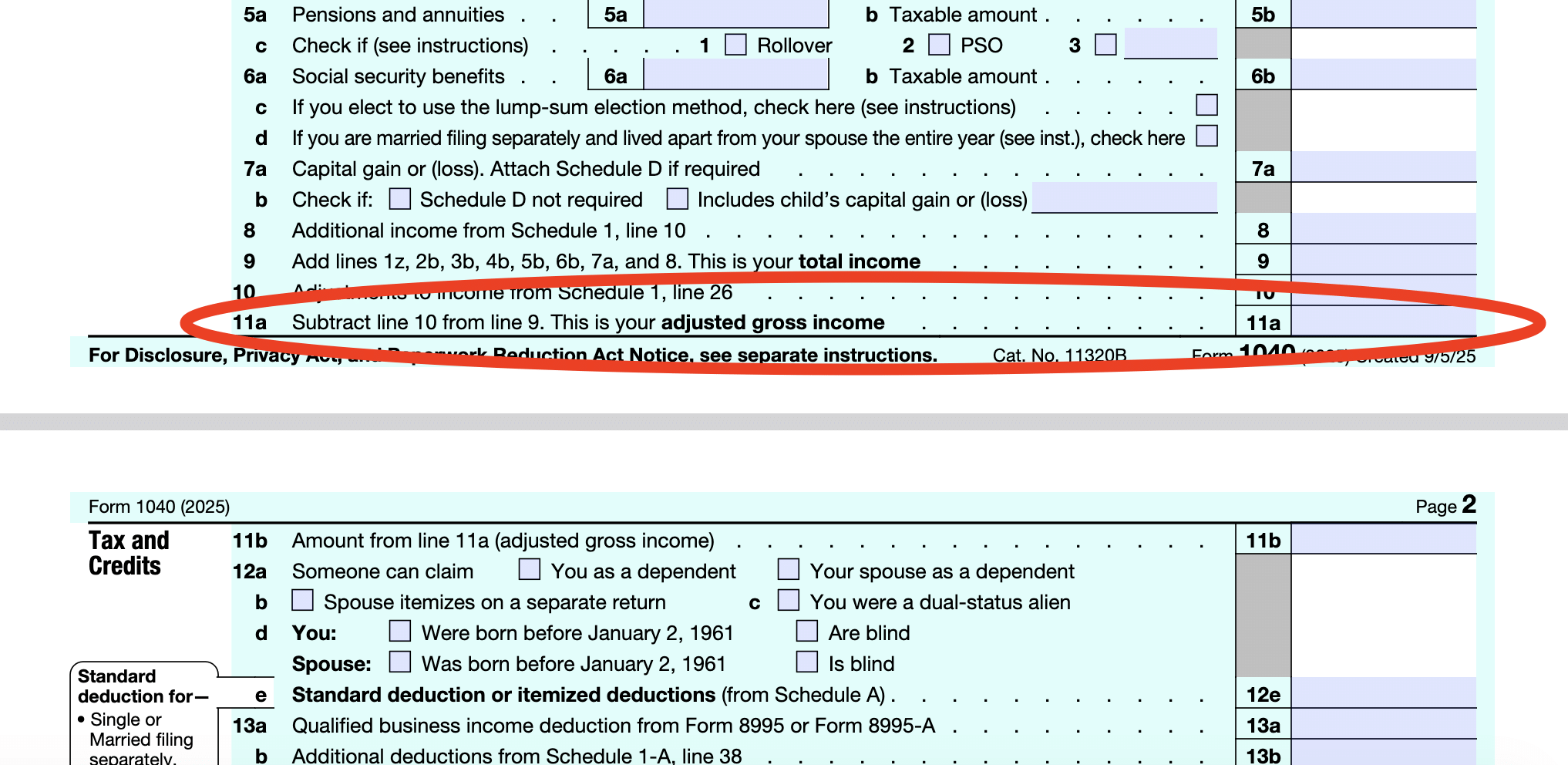
MAGI starts with your AGI. AGI is generally your total income for tax purposes, reduced by specific adjustments to income. In its simplest form: Total income − adjustments to income = adjusted gross income (AGI)
Total income can include wages, salaries, tips, interest, dividends, capital gains, retirement income, business income, and other taxable income. On Form 1040, you combine those amounts to arrive at total income on Line 9. But total income isn’t necessarily your AGI. You’ll subtract adjustments to income, sometimes called “above-the-line” deductions, because you claim them in arriving at AGI.
To get from AGI to MAGI, you then add back certain deductions and excluded income. It determines eligibility for tax benefits such as Roth IRA contributions, traditional IRA deductions, education credits, and health insurance premium tax credits. It can also affect your Medicare premiums.
Here’s the tricky part: There’s no single MAGI calculation that applies to every tax provision. The adjustments depend on the benefit or program you’re considering. That’s why it’s important to check the fine print—the difference could determine whether you qualify.